When value is intangible, belief determines value

Today, much of an organisation’s value no longer sits in physical assets or predictable revenue streams. It lives in strategy, leadership, culture, reputation, intellectual property and future potential.

These are the areas that markets increasingly reward and just as quickly penalise when they are unclear, inconsistent or poorly explained.

In this environment, investability is no longer simply a financial outcome.

It reflects the degree to which stakeholders can understand, trust and believe in an organisation’s future.

Adobestock 1489414432 (1)

Organisations are creating real value in new ways – through innovation, transformation, sustainability, data and digital capability. Much of this value, however, is difficult to capture through traditional financial measures alone.

As a result, a disconnect often emerges between:

  • the value organisations are building internally; and

  • the value stakeholders are able to see, understand and trust externally.

When that disconnect exists, uncertainty fills the gap.

And uncertainty is one of the fastest ways value is discounted.

Investability suffers not because the fundamentals are weak, but because the future is not yet clear, credible or compelling enough to support confident judgement.

Pexels Jibarofoto 2774556

Capital markets don’t operate on data alone. They operate on interpretation.

Investors, analysts, employees and partners are constantly forming judgements:

  • Does this organisation make sense?

  • Do we trust its leadership and direction?

  • Can we see a credible path from today to tomorrow?

When answers are unclear, perceived risk increases. When answers are coherent and consistent, belief begins to form.

Belief is not optimism or hype.

It’s the point at which an organisation’s strategy, performance and behaviour align strongly enough for others to commit with confidence.

In a world where value is increasingly intangible, belief becomes the medium through which value is recognised.

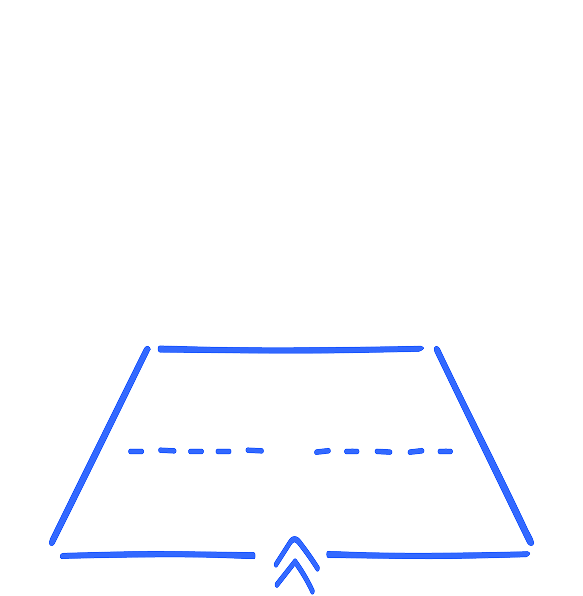
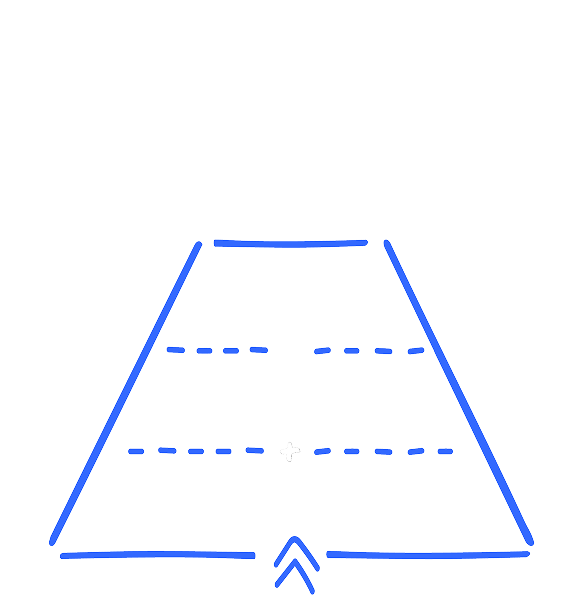
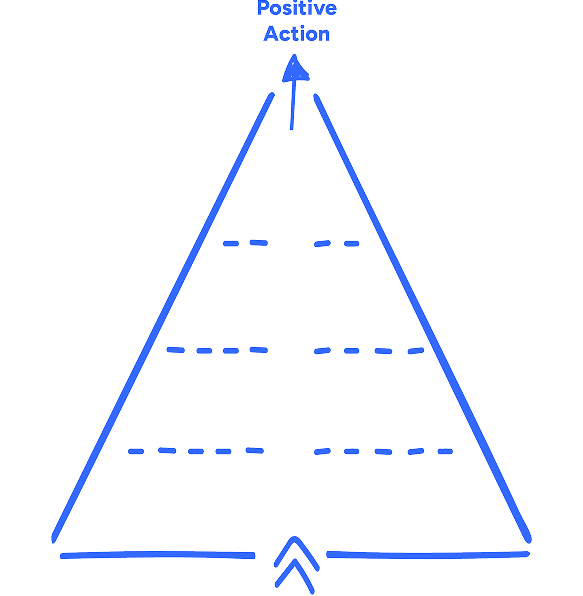
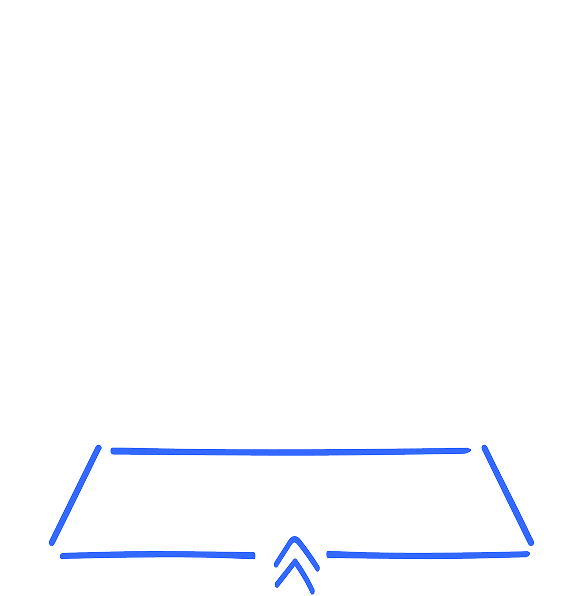
Step 1 Step 2 Step 3 Step 4

Understandable (Logos - the logic)

The foundation for any belief is clarity. Before an idea can be accepted, it must be understood. This first step is rooted in the science of cognitive fluency; our brains are wired to trust information that is simple to process. By presenting well-structured facts and data with absolute clarity, we reduce cognitive strain and build a logical, persuasive foundation.

Credible (Ethos - the trust)

Once an idea is understood, the source must be trusted. This stage is about demonstrating competence, expertise and a proven track record to establish authority. Without credibility, even the clearest message will fail. We build this layer of trust through consistent delivery and reliable actions, providing the evidence that makes your story believable.

Inspiring (Pathos - the emotion)

With a foundation of logic and trust, we elevate the message from a proposition to an inspiring vision. This is where we weave facts and credibility into a compelling narrative that creates a deep emotional connection. Tapping into aspirations and purpose fosters a personal investment in the idea, making it more powerful than logic alone.

Belief

When these three building blocks work in concert, they achieve the final, powerful outcome: genuine belief. This is the active state of conviction where people don't just accept your story – they are motivated to champion and protect it, becoming passionate advocates for your mission.

Jason Rosewell Askeuozqhyu Unsplash image

Why this matters more than ever

Markets are more volatile. Scrutiny is higher. Trust cycles are shorter.

Organisations are increasingly judged not just on what they have achieved, but on how convincingly they can explain where they are going – and why that path is credible.

Those that build belief are given time and flexibility.

Those that don’t are exposed to sharper swings in confidence and valuation.

Investability has become a strategic condition, not a communications afterthought.

David Becker F8c Kxmxnzk Unsplash image

What this means for leaders

If belief underpins investability, then leadership teams play a central role in shaping it. That means:

  • making strategy understandable, not just ambitious;

  • demonstrating credibility through consistency and evidence;

  • inspiring confidence through clarity of intent; and

  • ensuring the story told externally reflects the reality lived internally.

When these elements align, value is not only created. It is recognised.

Holly Mandarich Bmog4gpujsi Unsplash image

Our belief

At Jones+Palmer, we believe investability is built through belief, over time.

Not through spin.

Not through surface-level storytelling.

But through clarity, credibility and conviction, consistently expressed.

Because when belief is strong, value becomes visible.

And when value is visible, it becomes investable.

Talk to us

If you’re planning an annual report, reviewing sustainability disclosures or looking to strengthen how your reporting communicates with stakeholders, we’d be pleased to talk.

Start a conversation

J&P HQ Shoot BM 019 BIRO image